I planned my trip on my own and flew in from JFK via Miami to Augusto C. Sandino International Airport (MGA) in Managua on American Airlines. Upon arrival, our private driver Claudio, booked through Daytrip.com, my favorite service for easy city-to-city transfers, picked us up right on time.

The ride from Managua to León takes about 2.5 hours, and while long, it's a beautiful drive through rural Nicaragua with views of farms, small towns, and open landscapes.
Where to Stay in León
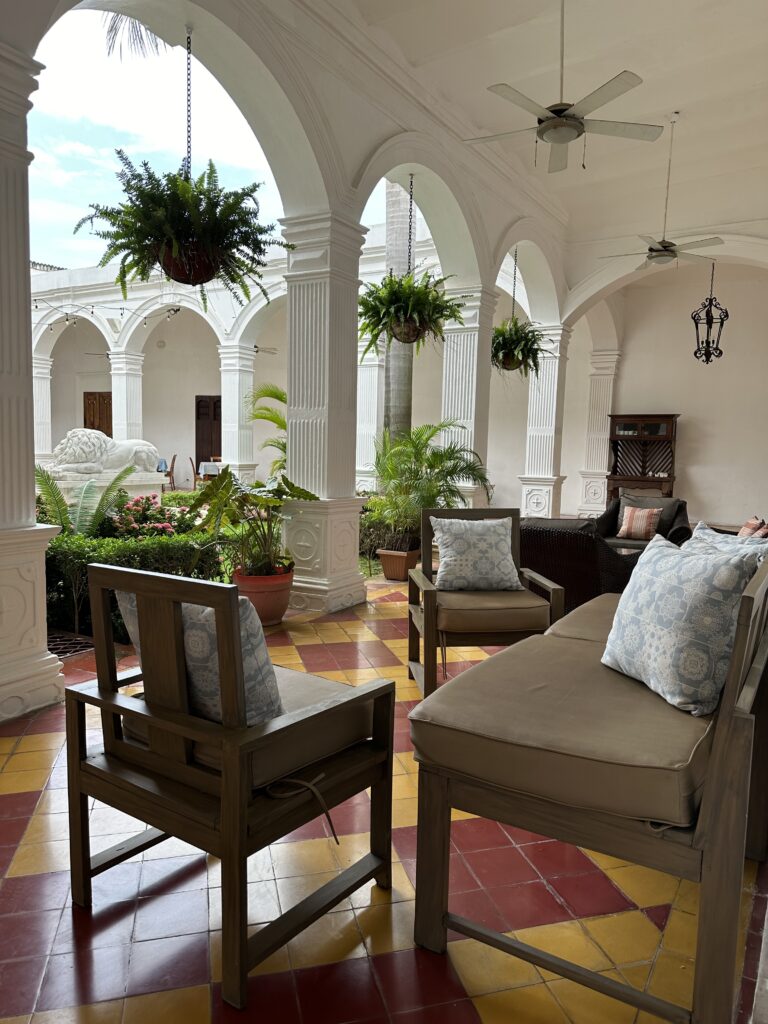
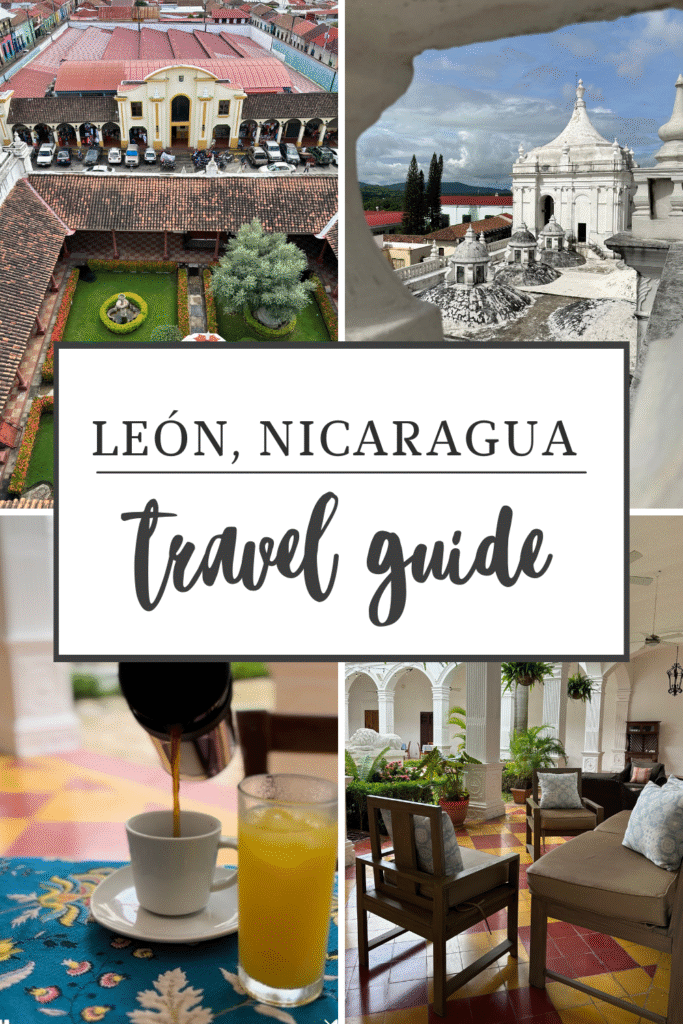
We checked into Hotel La Perla, one of León's historic buildings. Built in 1858, this 19th-century mansion once belonged to a wealthy cotton baron.
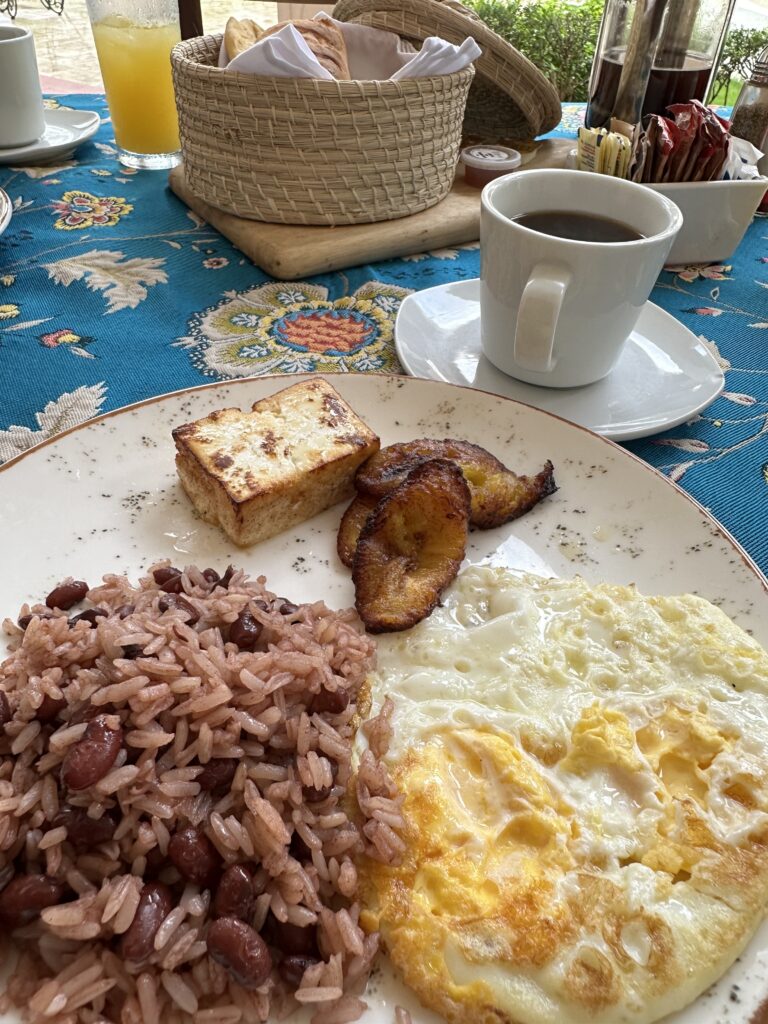
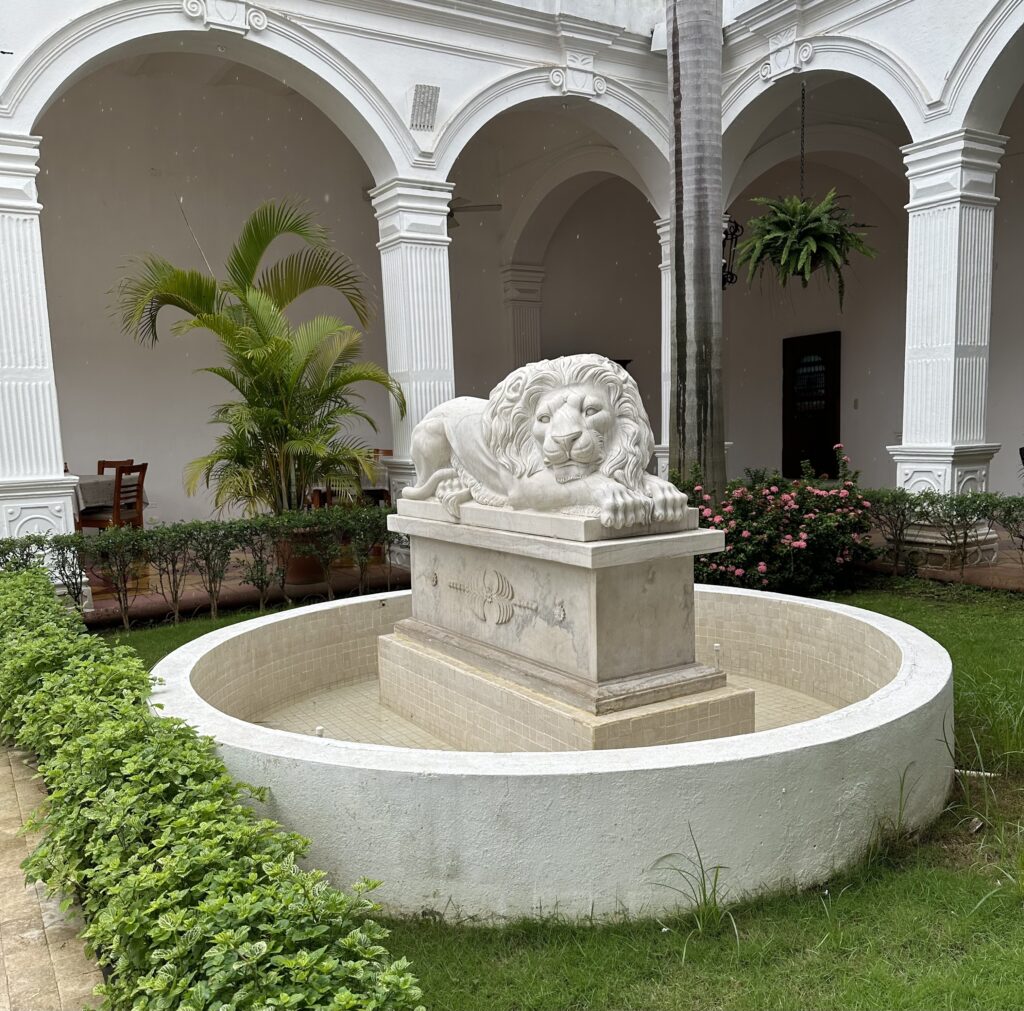
Today, it has been restored with neoclassical architecture, tall wooden doors, and a leafy courtyard where breakfast is served every morning. In the center of that courtyard stands a striking lion statue - a playful reminder that you are, in fact, in León, the city of the lion.
The hotel has just 15 rooms, keeping its boutique charm. Best of all? It's right in the heart of town and within walking distance of everything.
León: Nicaragua's Intellectual and Revolutionary Heart
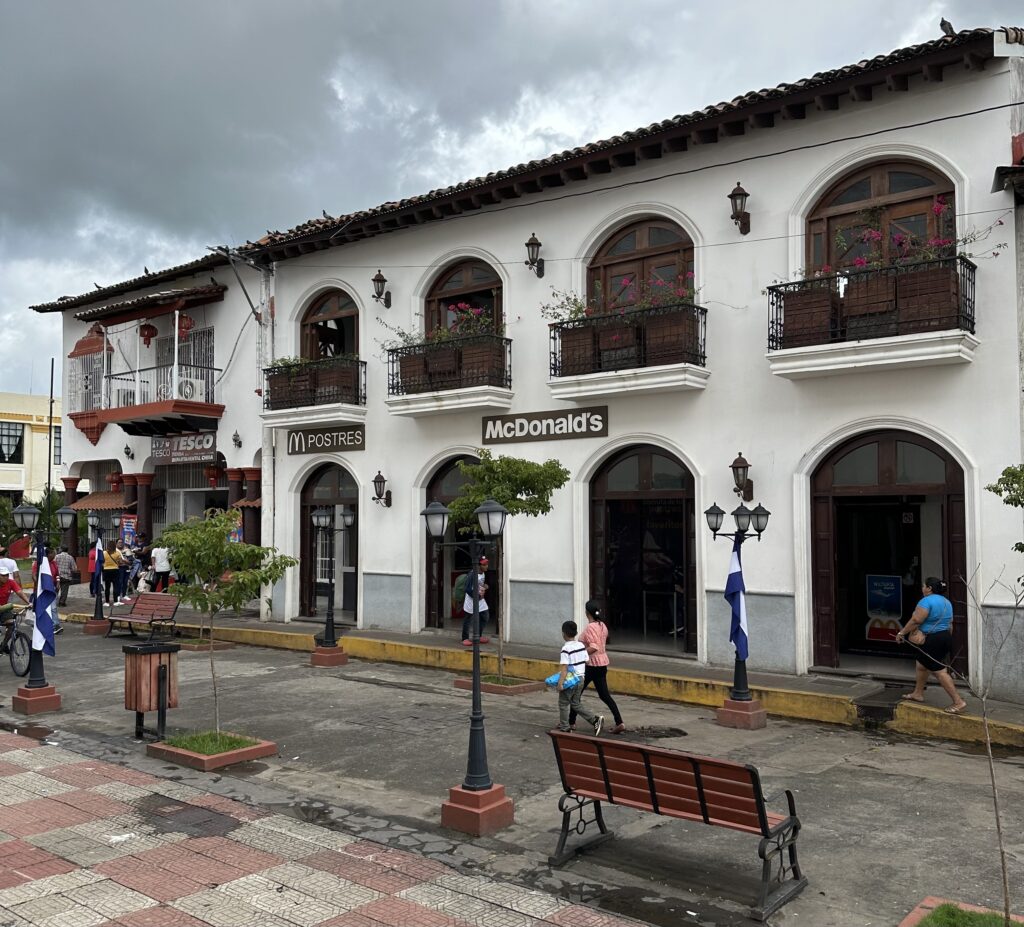
León is often called the "intellectual capital of Nicaragua." Founded in 1524, it was one of the first colonial cities in Central America and rivaled Granada in importance.
Now, it's a university town, with students filling the cafes, plazas, and streets, giving it a lively yet relaxed atmosphere.
But León is also a city marked by revolution. During the 20th century, it played a central role in the Sandinista Revolution, and you'll still see murals and street art depicting the struggles of that time. This mix of history, academia, and culture makes León one of Nicaragua's most fascinating cities.
Things to Do in León, Nicaragua
1. León Cathedral (Cathedral of the Assumption of Mary)

The city's main square is anchored by this UNESCO World Heritage Site, the largest cathedral in Central America. Built between 1747 and 1814, it's a masterpiece of Baroque and Neoclassical design.
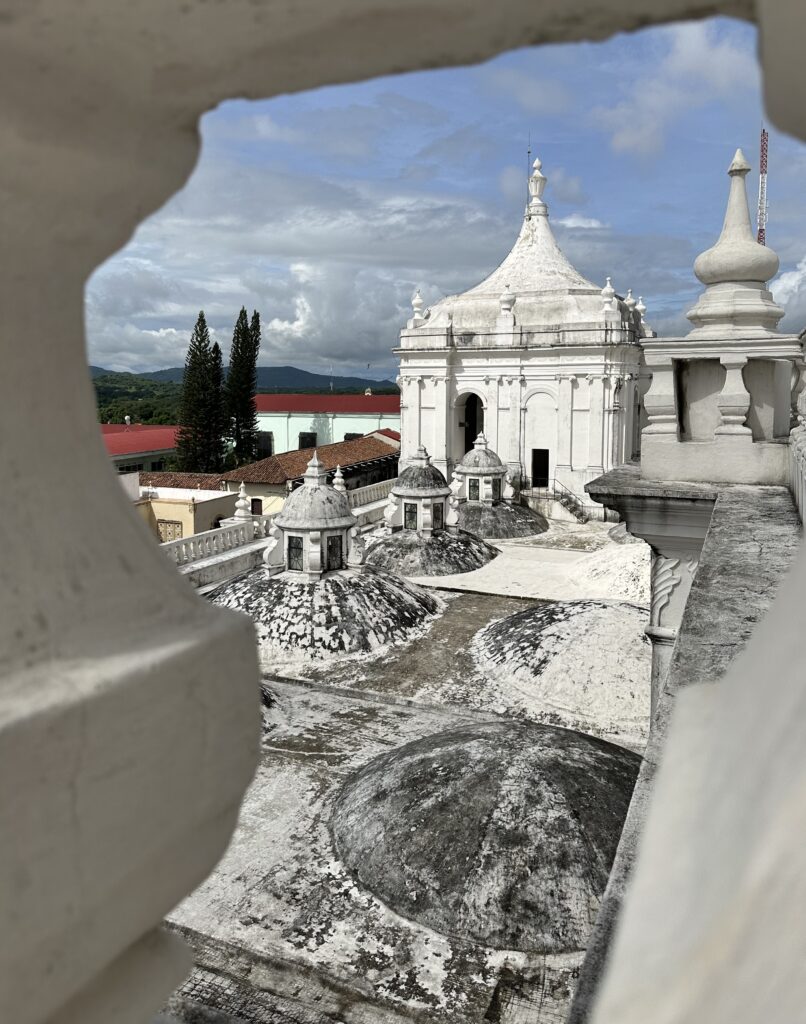
The must-do experience here? Climbing to the rooftop. The whitewashed domes look like something out of Santorini, and from the top you'll see sweeping views of León and the nearby volcanoes.
2. Parque Central de León, the Central Park
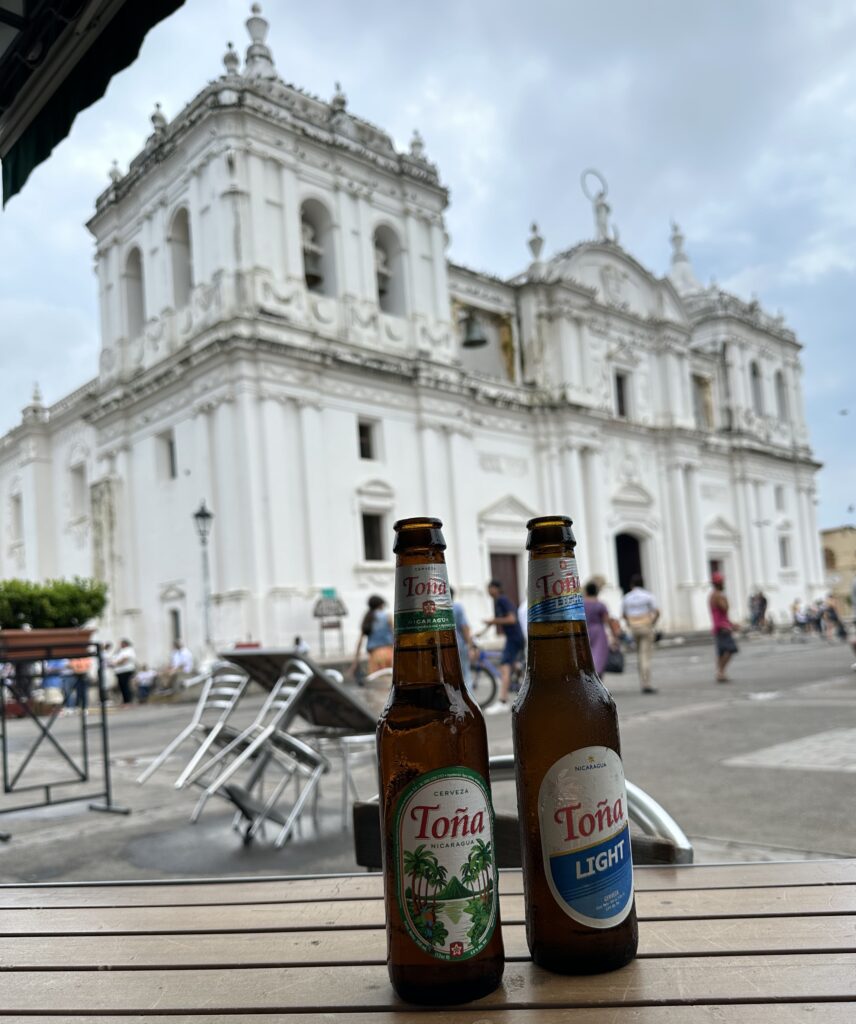
This is the place to people-watch, sip a cold Toña beer, or enjoy a merienda. Street vendors, families, and students gather here, and the view of the cathedral lit up at night is unforgettable. The square is also home to hundreds of pigeons that flutter around the cathedral and the park benches — a scene that feels almost timeless.
3. Rubén Darío Museum
León was home to Rubén Darío, Nicaragua's most celebrated poet and father of modernismo in Latin American literature. His childhood home has been converted into a museum, showcasing his manuscripts, personal belongings, and the legacy he left behind.
Even if you're not a poetry lover, you'll feel the pride Nicaraguans have for their cultural icon.
4. Explore Sutiaba Neighborhood
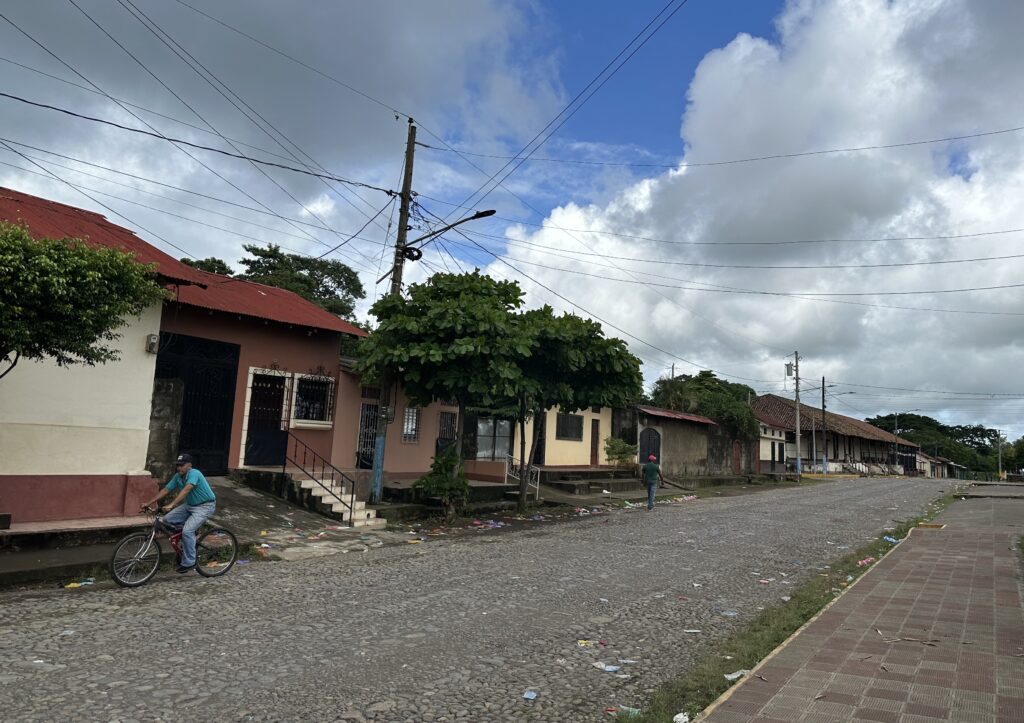
Just a short walk from the center lies Sutiaba, one of Nicaragua's oldest indigenous communities. The contrast is striking—where León has grand colonial mansions with carved wooden doors and tiled roofs, Sutiaba shows modest houses with lighter materials.
Our local guide shared stories of what it was like growing up in Sutiaba. He spoke about the discrimination he faced in school, where children from indigenous families were often treated as outsiders. In another memory, he recalled how he had to bring his own chair from home and carry it every day just to have a seat in the classroom.
These stories highlighted the deep contrasts between Sutiaba and central León.
While the colonial heart of the city displayed grand homes with heavy tiled roofs and ornately carved wooden doors, Sutiaba's streets were lined with simpler dwellings made of lighter materials. Even today, the neighborhood carries reminders of inequality, yet it also preserves traditions, resilience, and a strong sense of community.
While we were visiting Sutiaba, a sudden downpour flooded the streets within 15 minutes. We found ourselves walking and balancing along many shops' narrow walkways to keep above the rising water. It made me wonder how often the neighborhood has to endure this kind of flooding.
5. Volcano Boarding at Cerro Negro
One of the most unique adventures in the world, volcano boarding (or volcano surfing) takes place just outside León at Cerro Negro, an active black sand volcano. Adventurers hike up the volcano, suit up in protective gear, and slide down its steep slopes on a wooden board.
It's fast, thrilling, and a bucket-list activity for adrenaline seekers, though I personally skipped it!
6. Street Art and Murals

Throughout the city, you'll spot vibrant murals that depict Nicaragua's turbulent past and hopeful future. They are not just art, but history lessons painted on walls.
Everyday Life in León
One detail I loved about León is how tradition still blends into daily life.
You'll often see donkey-drawn wooden carts rolling through the streets, not for passengers, but as working vehicles used by locals to haul firewood, produce, and construction materials.
These carts remain practical and essential, especially in neighborhoods where cars can't easily pass. It's one of those authentic touches that reminds you this is a living, working city, not just a place preserved for tourists.

Another everyday joy in León is its coffee. Nicaragua produces some of the best Arabica beans in Central America, and León is a wonderful place to taste them. I actually enjoyed Nicaraguan coffee more than Costa Rican coffee. It is bold, rich, and served exactly how I like it, in a French press at Hotel La Perla's courtyard breakfast.
Travel Tips for León, Nicaragua
- Walkability: The historic center is flat, compact, and very walkable. Most major attractions are within 10–15 minutes of each other.
- Safety: We felt safe walking around during the day. At night, stick to well-lit streets and avoid wandering too far from the center.
- Heat: León can get scorching hot by midday. Bring a hat, sunscreen, and plenty of water. León is known as the hottest city in Nicaragua, with temperatures often reaching the 90s°F (30s°C).
- Cash & ATMs: Many smaller shops and eateries are cash-only. Carry córdobas (Nicaraguan currency); ATMs are easy to find in the center.
- Museum Hours: The Rubén Darío Museum is closed on Mondays. Plan your visit for Tuesday–Sunday.
- Cathedral Rooftop: For cooler weather and the best photos, head up in the morning before the midday sun.
Why León Should Be on Your List
If you're looking for a destination that's authentic, historic, and less traveled, León Nicaragua deserves a spot on your itinerary. Between the colonial architecture, revolutionary murals, vibrant student life, and the chance to literally walk on a UNESCO cathedral roof, this city is unforgettable.
Quick Travel Guide to León, Nicaragua
- Hotel Recommendation: Hotel La Perla, León – Historic mansion, central location, charming courtyard breakfasts. Hotel El Convento is another historic stay in León. Built on the site of the former San Francisco Convent from 1639, the hotel combines colonial elegance with modern comfort. It is just a few minutes' walk from the cathedral.
- Top Tour: Volcano Boarding at Cerro Negro – Nicaragua's most iconic adventure activity.
- Must-See: León Cathedral rooftop, Rubén Darío Museum, Sutiaba neighborhood.
Stay tuned for my next post, where I'll take you to Granada and San Juan del Sur, two other highlights of Nicaragua's Pacific side.


Leave a Reply
You must be logged in to post a comment.