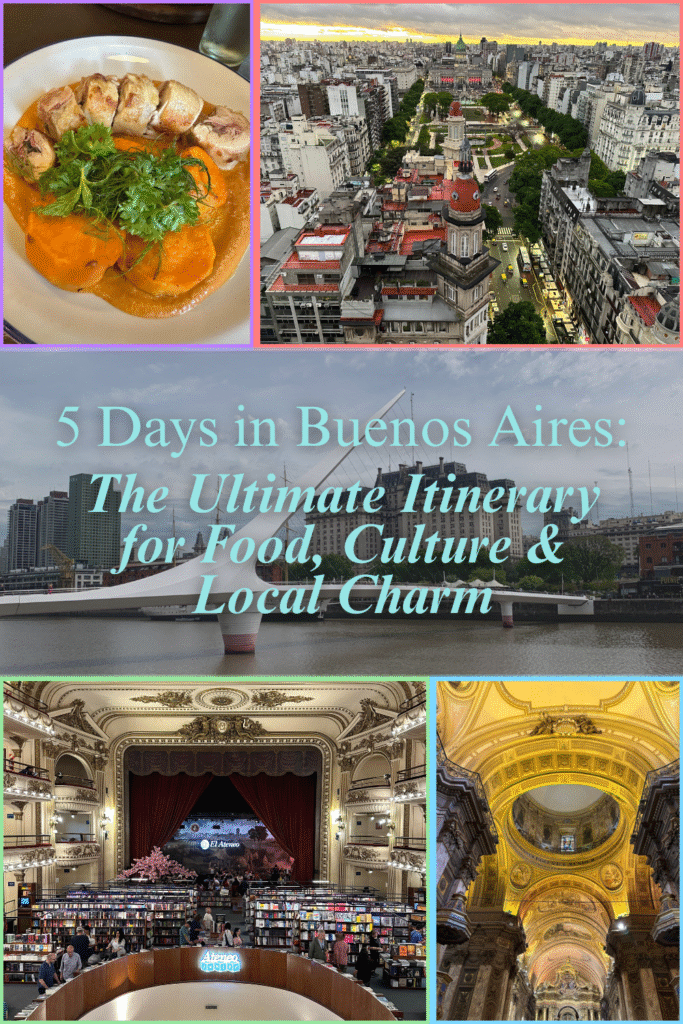
It's been twelve years since my first visit to Buenos Aires. Back then, I spent a night in Recoleta and a few in San Telmo after traveling from Montevideo by bus and ferry.
This time, I arrived straight from San Antonio de Areco, having spent a night there.
The city felt both familiar and brand new. Prices had climbed, yes, but credit cards were accepted almost everywhere, and the rates were surprisingly competitive. I didn't bother with shady currency exchange spots. Uber made getting around easy, and I felt safer walking the streets than before.
Since this was my second trip, I skipped the typical first-timer spots, such as the San Telmo Feria and Recoleta Cemetery. But if it's your first visit, you should absolutely include them.
During my five days in Buenos Aires, here's what I did and what I'd recommend to anyone seeking a balanced, culture-rich experience.
1. Wander the Colorful Streets of La Boca and Caminito
Caminito isn't just a street; it's Buenos Aires' open-air museum of color, rhythm, and resilience. Once a working-class port, this neighborhood is where Italian immigrants painted their corrugated-metal homes with leftover ship paint, creating the kaleidoscope you see today.
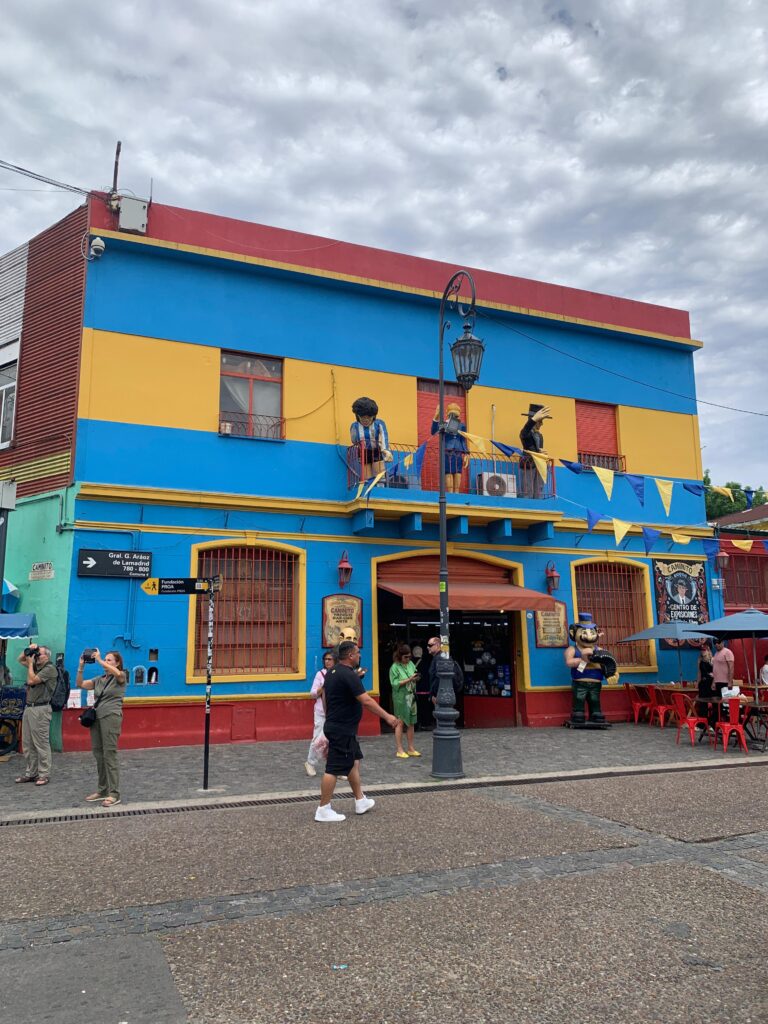
La Boca birthed two of Argentina's most iconic exports: tango and football. You'll find artists, dancers, and vendors filling the narrow lanes with music and movement.
For lunch, I stumbled upon La Perla, one of the neighborhood's oldest and most renowned restaurants. Its rustic charm and hearty local dishes fed port workers, poets, and travelers for over a century. I had the plato del día, which includes a drink, a main dish, and a dessert.
For more authentic flavors, try El Gran Paraiso for grilled meats in a leafy courtyard, or Il Materia, which offers a modern twist on classic Argentine fare.
Insider tip: Visit in the morning or midday, stay alert, and use Uber to get in and out. Or join a group tour and let the tour guide take care of you.
2. Step Inside Teatro Colón — Buenos Aires’ Cultural Jewel
Even if opera isn't your thing, a guided tour of Teatro Colón will leave you speechless. Opened in 1908, it has consistently ranked among the world's top opera houses for its exceptional acoustics and architecture. Marble staircases, gold leaf details, red velvet seats, and that mysterious chandelier.
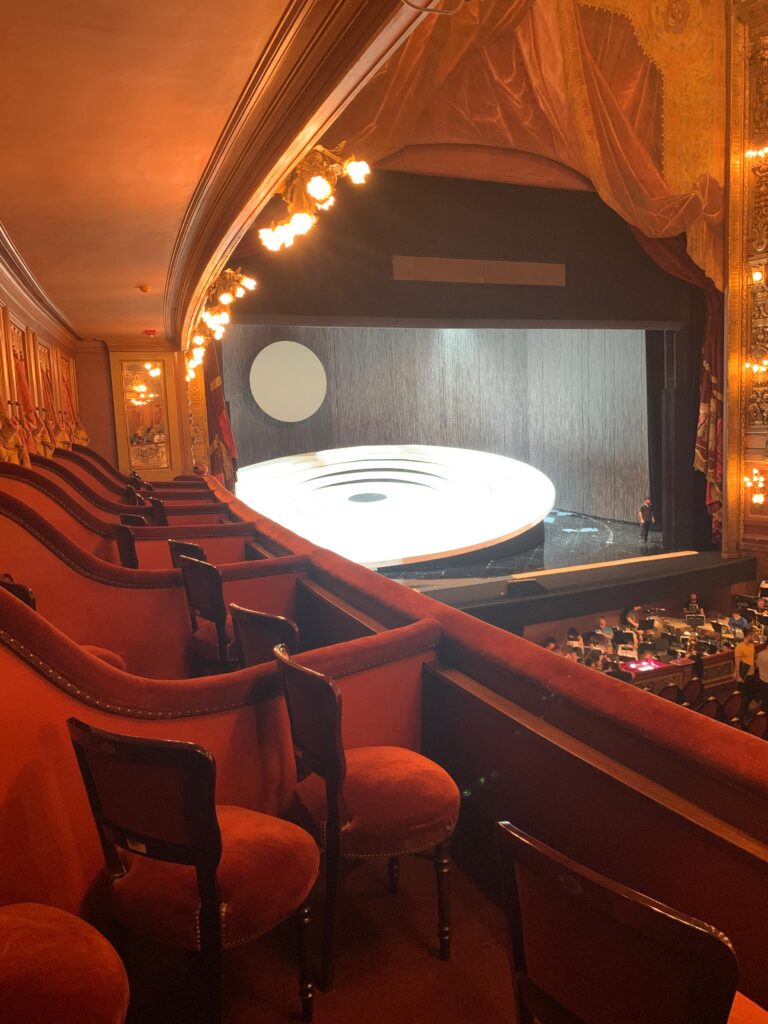
Tours are available in English, Spanish, and Portuguese. They last about an hour and give you backstage access, including the grand hall and rehearsal spaces. Tickets often sell out, so it's best to check the schedule in advance or arrive early in the morning.
3. Climb the Palacio Barolo Lighthouse at Sunset
If there's one building that blends mysticism and architecture, it's Palacio Barolo. Designed in 1923 and inspired by Dante's Divine Comedy, its floors represent Hell, Purgatory, and Heaven.

The guided evening tour is the one to book. It ends with sunset views from the lighthouse and a glass of wine on the seventh floor.
You'll start on the ground floor, move up through art-filled corridors, then to the fourth, and take the elevator to the 14th floor, and start climbing up to the viewing tower where the sun was already setting, and eventually climb two narrow staircases to reach the top, where the lighthouse is located.
The guide directed us to sit around the lighthouse beacon. The sun was setting in the distance. When the guide switched on the lighthouse beam (for demonstration purposes only), we felt the heat from the beam. The light was so intense that you should actually close your eyes when the beam comes towards you.
4. Dine and Stroll Along Puerto Madero
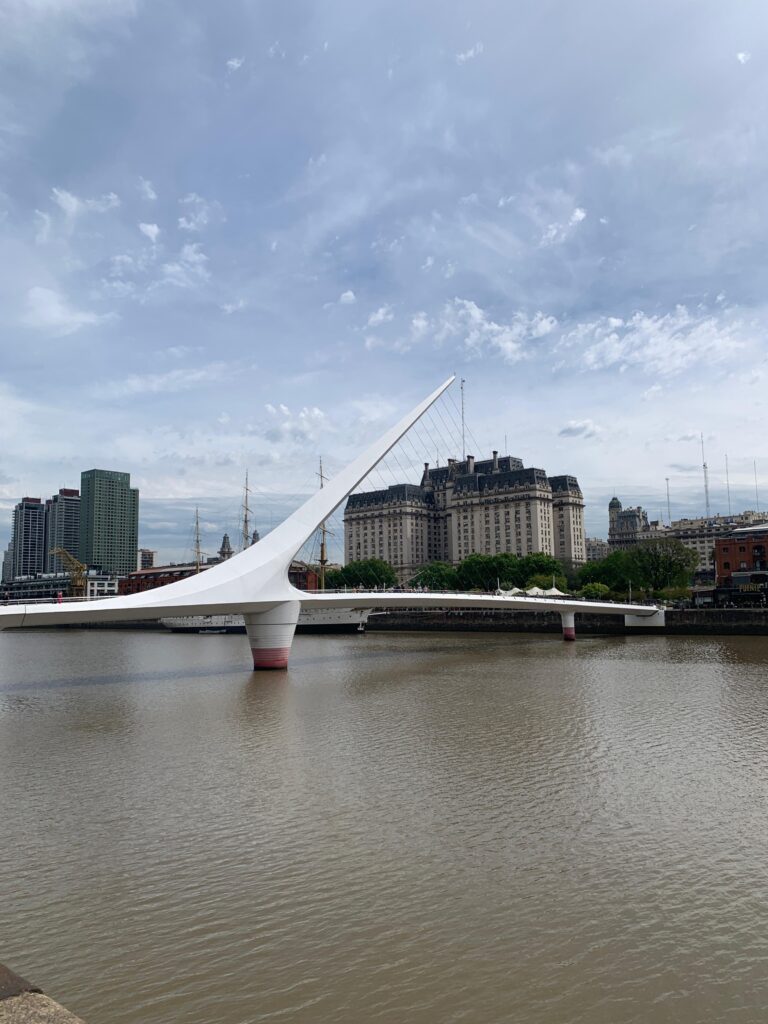
After exploring La Boca, head a few minutes north to Puerto Madero, a waterfront district transformed from old docks into one of the city's most upscale areas.
The Puente de la Mujer (Woman's Bridge) — a sleek white pedestrian bridge — is its modern icon.
Walk the promenade, stop for coffee or cocktails, and pick a riverside restaurant for dinner. Cabaña Las Lilas serves prime cuts with elegant service. At the same time, Siga la Vaca offers a lively all-you-can-eat parrilla experience.
It's a safe and well-lit area, perfect for evening strolls.
5. Revisit the Heart of History: Plaza de Mayo
No matter how many times you've been to Buenos Aires, Plaza de Mayo deserves another walk-through. It's the city's oldest square and the stage for Argentina's most significant protests and celebrations.

Visit the Cathedral Metropolitana, where Pope Francis once served, and admire its neoclassical façade. Across the square stands the Cabildo, a colonial-era town hall that has been converted into a museum with free admission. Spend 20 minutes browsing its exhibits about the May Revolution and Argentina's independence.
6. See a Tango Show — The La Ventana Experience
Tango is more than a dance; it's the heartbeat of Buenos Aires. For dinner and a show, I chose La Ventana in San Telmo. The evening included hotel pickup, a three-course meal, and a one-hour tango performance featuring live musicians.
Was it touristy? Yes. However, the talent on stage made it worthwhile. If it's your first tango experience, go for the full package. If it's your second, try a smaller milonga where locals dance — more authentic, less polished, but incredibly real.
7. Taste Buenos Aires Through Its Pizza
You might not expect it, but Buenos Aires rivals Naples in its passion for pizza. Italian immigrants brought their dough recipes and created something uniquely Argentine — thick, cheesy, and unapologetically indulgent.
Guerrín Pizzeria, on Avenida Corrientes, is an institution.
Open since 1932, it spans several dining rooms and feeds hundreds daily. Order the Fugazzeta Rellena (stuffed onion pizza) or a classic mozzarella slice, and stand at the counter like a local, or dine in one of the rooms in this pizzeria.
This must be one of the largest pizza places I have ever been to. There are many rooms of different designs at Guerrin Pizzeria.
8. Visit El Ateneo Grand Splendid — The World's Most Beautiful Bookstore
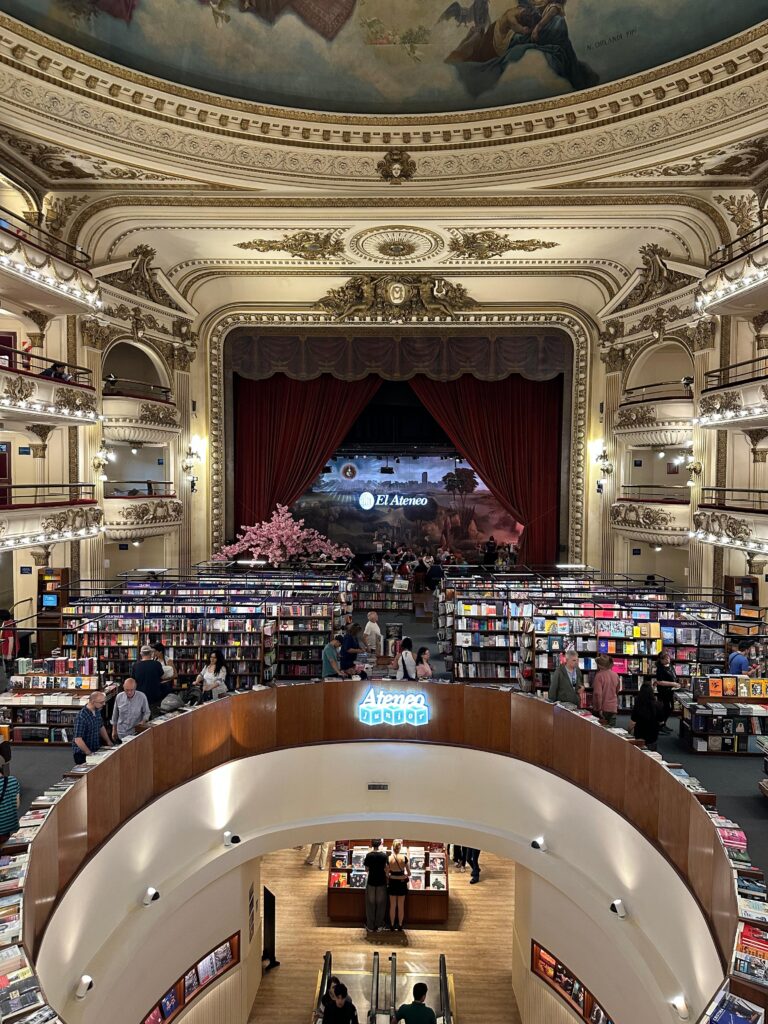
El Ateneo Grand Splendid looks more like an opera house than a bookstore — because it once was one. The stage now hosts a café, the balconies are lined with books, and the domed ceiling still glows with murals.
Come in the morning to avoid crowds and linger with a cappuccino under the chandeliers. Even if you're not a reader, it's an experience worth savoring.
9. Sip Hot Chocolate at Historic Café Tortoni
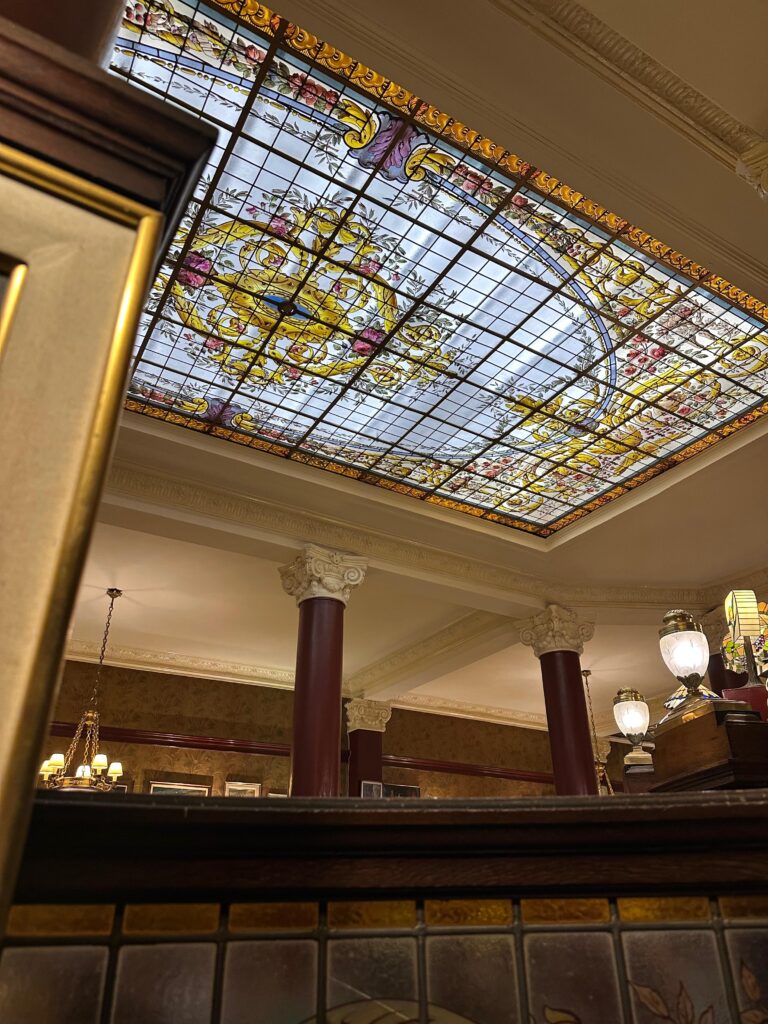
Founded in 1858, Café Tortoni is the oldest coffeehouse in Buenos Aires—a timeless blend of marble tables, wooden chairs, and framed portraits of poets who once gathered here.
Go early, before the tour buses arrive. Order thick hot chocolate with churros and watch the morning unfold. It's a moment that feels like stepping back in time.
10. Where I Stayed and What I Ate
I based myself at the Palladio Hotel Buenos Aires - MGallery, Recoleta, ideal for walking to restaurants and attractions.
Some favorite meals included:
- La Galgos, a neighborhood gem serving comforting, home-style Argentine food.

- Elena Restaurant at the Four Seasons — still stylish, though the old-school pulley system for wine delivery seems to have disappeared.
- La Opera, an old Italian spot where everything tastes like someone's grandmother made it.
- Morning coffee and medialunas at Tienda de Café, perfect before a day of exploring.

Getting Around and Staying Smart
Buenos Aires is incredibly walkable and best explored on foot. For longer distances, Uber works seamlessly.
Most places now accept credit cards, and the rates are favorable for visitors. Always keep small cash for markets and tips.
Final Thoughts
Buenos Aires rewards curiosity. Whether it's your first or fifth visit, it's a city that reveals itself slowly, through music, food, architecture, and conversation.
This second trip reminded me why it's one of my favorite cities in the world: a mix of elegance and grit, history and modernity, tango and quiet parks. And when you walk its streets, you don't just see Buenos Aires — you feel it.


Leave a Reply
You must be logged in to post a comment.