
When we were planning our trip from Bariloche to Mendoza, I spent a fair amount of time researching long-distance bus transportation in Argentina. At the time, flying felt unnecessary and renting a car for such a long journey did not appeal to us. The bus felt like the most practical option.
After comparing schedules, prices, and comfort levels, I chose Andesmar Bus.
Back then, Andesmar offered two daily departures. One left around 1:00 p.m. and took roughly 19 and a half hours. The second departed at 3:30 p.m. with a shorter travel time of just under 17 hours.
We chose the later departure for one simple reason. Less time on the road.
A Note on Prices Then vs Now
When I took this trip about ten years ago, prices were quoted in Argentine pesos at a very different exchange rate.
At that time:
-
First class, known as Suite or Primera Clase, cost about 815 Argentine pesos.
-
Cama Ejecutivo, the semi-reclining class, cost about 725 pesos.
Those were the old prices and reflect Argentina’s economy at that moment in time.
Today, prices are very different.
Based on current booking platforms and operator listings, travelers today can generally expect to pay between US$59 and US$90 one way for a Bariloche to Mendoza bus ticket, depending on seat class, operator, season, and how far in advance the ticket is booked.
Prices fluctuate frequently in Argentina, so always check close to your travel date.
Does the Bariloche to Mendoza Bus Still Exist?
Yes. This route still exists today, although schedules can vary by season.
Operators such as Andesmar and CATA Internacional continue to service long-distance routes across Argentina, including Bariloche to Mendoza. Travel times today average around 18 hours, depending on stops and routing.
Typical Bus Options Today
Below is a practical snapshot of what travelers can expect today. This is not a promise of exact schedules, but a realistic planning reference.
Bariloche to Mendoza Bus Overview
Departure times
Early afternoon and late afternoon or early evening departures are common, depending on operator and season.
Journey duration
Approximately 17 to 19 hours
Seat classes
Semi-cama or Cama Ejecutivo
Cama or full sleeper
Premium or Suite class on some buses
Typical one-way price range
US$59 to US$90
Operators
Andesmar
CATA Internacional
Occasional seasonal operators
Booking options
Official bus company websites
Bus comparison platforms such as Busbud or CheckMyBus
In person at the Bariloche bus terminal
Then came bingo time. According to Santiago, our attendant, it is Andesmar's tradition to play a game of bingo. The winner received a bottle of Chardonnay. Here is my ticket, which was not a winning ticket...I missed it by two numbers!
Types of Seats: What I Experienced
At the time of booking, there were two classes available.
Cama Ejecutivo offered semi-reclining seats and was located on the upper level of the bus. First class, when available, was on the lower level with wider seats and a deeper recline.
By the time we booked, only Cama Ejecutivo was available. In hindsight, if first class is available today and the price difference is reasonable, I would still recommend upgrading for such a long overnight journey.
Booking the Ticket Then vs Now
Ten years ago, purchasing tickets online through Andesmar was not straightforward. I ended up buying our tickets directly at the Bariloche bus terminal a few days before departure, which required patience and time.
Today, online booking is significantly easier. Most travelers now book through official bus company sites or trusted comparison platforms. Booking ahead is especially important during holidays and peak travel seasons.

On the Bus: The Experience That Stayed With Me
The bus departed at 3:30 p.m. sharp.
Our luggage was tagged and checked underneath the bus, which felt organized and reassuring. First class passengers boarded the lower level, while Cama Ejecutivo passengers went upstairs.
Once we were on the road, the experience felt surprisingly festive.
Entertainment began with an English-language movie, followed by coffee or tea and a selection of cookies and cakes. Then came something I did not expect.
Bingo.
According to Santiago, our attendant, playing bingo was an Andesmar tradition. The prize was a bottle of Chardonnay. I came close but missed winning by two numbers. My ticket still makes me smile when I think about it.
Santiago himself was memorable. Always smiling, always moving, sweeping the floors, checking on passengers, walking the stairs regularly throughout the night. Service like that stays with you.
Dinner and Overnight Comfort
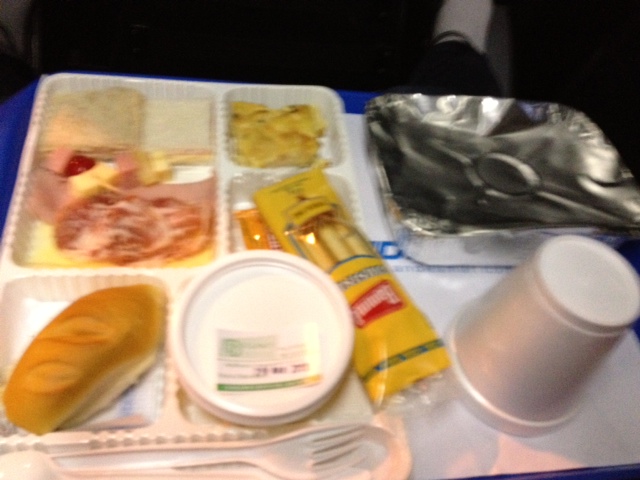
Dinner was airline-style but generous. A hot meal, a glass of wine, cheese, ham, salami, bread, and dessert. For a long overnight bus ride, it exceeded expectations.
The toilet was located just below the stairs and was accessible throughout the trip.
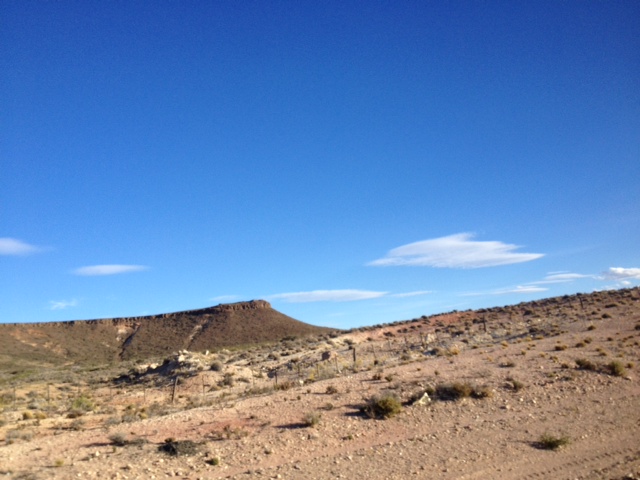
This route is not known for dramatic scenery. Before sunset, the landscape was wide and flat, more functional than beautiful. Most of the journey is best spent resting.
Breakfast and Arrival in Mendoza
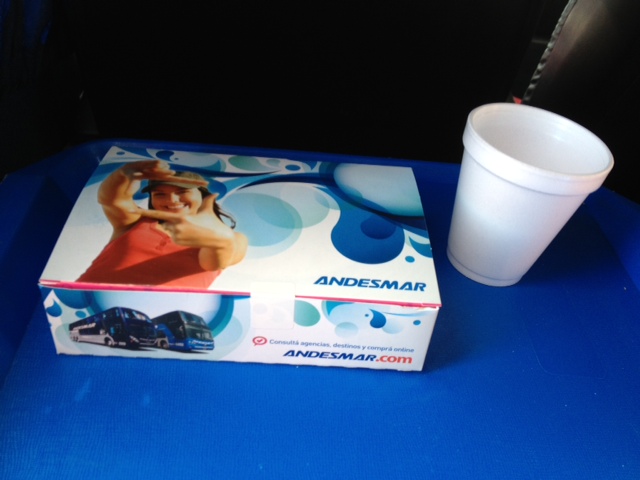
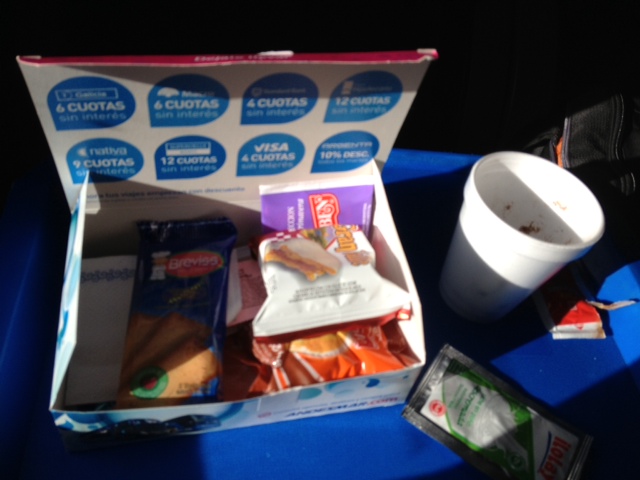
Breakfast was simple. A boxed assortment of cookies and cakes served with coffee or tea shortly before arrival.
We arrived in Mendoza on schedule to a rainy morning.
I had no regrets taking the bus from Bariloche to Mendoza. The journey was long, but the service and the experience made it memorable.
At the time, Mendoza’s bus terminal did not feel particularly safe. I recommend keeping valuables close, staying alert, and arranging onward transportation in advance.


Is Taking the Bus Still Worth It Today?
If you are comfortable with long travel days and enjoy overland journeys, the bus remains a practical and affordable way to travel between Bariloche and Mendoza.
For travelers who value speed, flying may be a better option. For those who enjoy the rhythm of the road and want to experience Argentina beyond airports, the bus still makes sense.
For current schedules, prices, and seat availability, always check directly with the bus operator or a trusted booking platform shortly before your trip.

Bus vs Flight vs Car: Which Is Better Between Bariloche and Mendoza?
Travelers today usually compare three options when moving between Bariloche and Mendoza.
Bus
Best for travelers who value cost efficiency and do not mind long overnight journeys. The bus is the most affordable option and allows you to travel without worrying about driving long distances. Comfort depends heavily on seat class and operator.
Flight
Best for travelers short on time. Flights are significantly faster but often more expensive, especially during peak seasons. Flights may require connections, and luggage restrictions can add extra costs.
Car rental
Best for travelers who want flexibility and plan to stop along the way. This option requires confidence with long-distance driving and changing road conditions. Fuel, accommodation, and time commitment add up quickly.
For me, the bus made sense at the time. It was straightforward, cost effective, and allowed us to experience Argentina beyond airports.

What to Pack for an Overnight Bus in Argentina
Even today, packing well makes a noticeable difference on a long bus journey.
Bring a small carry-on with essentials rather than relying on overhead storage.
Helpful items include:
-
A light jacket or scarf. Buses are often over air-conditioned.
-
Earplugs or noise-canceling headphones.
-
An eye mask for overnight travel.
-
Basic toiletries and hand sanitizer.
-
A phone charger or power bank.
-
Snacks, even if food is served.
Keep valuables with you at all times rather than in checked luggage.
Safety and Comfort Tips for Long-Distance Bus Travel
Long-distance bus travel in Argentina is generally reliable, but awareness matters.
Arrive early at the bus terminal so you are not rushed.
Keep your ticket and luggage tag accessible until you leave the terminal.
Do not leave valuables unattended, even when sleeping.
Be alert during arrivals, especially at large terminals like Mendoza.
If arriving early or late, arrange onward transport in advance.
These precautions are simple, but they help make the journey smoother.
Is This Route Still Worth Taking?
Even today, the bus from Bariloche to Mendoza remains a viable option for travelers who are patient and prepared.
It is not the fastest route.
It is not the most scenic.
But it is affordable, dependable, and offers a glimpse into everyday travel in Argentina.
For me, the experience is still defined less by the road and more by the people. Santiago, the attendant, the unexpected bingo game, the quiet moments between stops. Those details are what stay with you long after the journey ends.
This journey was taken a decade ago, but the rhythm of long-distance travel in Argentina has not changed as much as prices and booking methods have.


Thank you. This is helpful